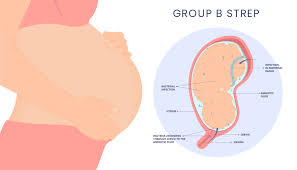
Deep within the labyrinthine tapestry of pregnancy, where life takes its first breaths, there lies a potential shadow – group B Streptococcus (GBS). This enigmatic bacteria, often lurking silently, can cast an ominous specter over the joys of carrying a child. Let us embark on a voyage of finding, unraveling the secrets of GBS during pregnancy and its profound implications for both mother and her precious cargo.
– Group B Strep: Understanding the Risks in Pregnancy
Understanding the Risks
Group B strep (GBS) is a type of bacteria that can cause serious infections in newborns. It’s estimated that around 10-30% of pregnant women carry GBS in their vagina or rectum. While most women with GBS have healthy pregnancies and babies, it’s significant to understand the potential risks:
- Premature birth: GBS can cause premature birth, which occurs before 37 weeks of pregnancy.
- Low birth weight: GBS can lead to low birth weight, which can increase the risk of health problems in newborns.
- Neonatal sepsis: This is a serious infection of the blood or cerebrospinal fluid in newborns. It’s the most common cause of sepsis in newborns in the United states.
- Meningitis: GBS can cause meningitis, an infection of the membranes surrounding the brain and spinal cord.
- Pneumonia: GBS can cause pneumonia, an infection of the lungs.
- Death: In rare cases, GBS can lead to death in newborns.
– Preventing Infection: Screening and Treatment Options
Preventing Infection: Screening and Treatment Options
All pregnant women are routinely screened for group B strep (GBS) between 35 and 37 weeks of gestation. This is done with a simple vaginal and rectal swab.If you test positive,treatment options include:
antibiotics during labor: penicillin or ampicillin is given intravenously to prevent transmission to your baby during delivery.
Antibiotic treatment before labor: If you have certain risk factors, such as premature birth or a previous GBS-positive baby, your doctor may recommend antibiotic treatment before labor to clear the infection.
- Impact on Childbirth: Labor and Delivery
Impact on Childbirth: Labor and Delivery
Group B strep (GBS) can effect labor and delivery in several ways:
- Preterm birth: GBS can cause intrauterine infection, leading to premature rupture of membranes (PROM) and preterm labor.
- chorioamnionitis: GBS can spread from the vagina to the amniotic fluid, causing chorioamnionitis (inflammation of the amniotic membranes).This can lead to maternal fever, fetal tachycardia, and premature birth.
- Sepsis: In severe cases, GBS can cause sepsis in both the mother and the baby. This is a life-threatening condition that requires immediate medical attention.
- Infection in the newborn: GBS can be passed to the newborn during labor and delivery, causing infections such as pneumonia, sepsis, and meningitis.
To prevent these complications, women who test positive for GBS are typically given antibiotics during labor. This helps to reduce the risk of GBS infection in both the mother and the baby.
– Long-Term Consequences and management Strategies
Long-Term Consequences and Management Strategies
Long-term consequences of untreated GBS during pregnancy can include:
Maternal infections: Untreated GBS can cause severe infections in the mother,such as sepsis,meningitis,and endocarditis.
Neonatal infections: infants born to mothers with GBS are at risk of developing serious infections, including pneumonia, sepsis, and meningitis.
Neurodevelopmental disabilities: GBS infection during pregnancy has been linked to an increased risk of neurodevelopmental disabilities in children, such as cerebral palsy and developmental delays.
Management strategies for GBS during pregnancy include:
Screening: All pregnant women are screened for GBS at 35-37 weeks of gestation.
Antibiotics: Women who test positive for GBS are given antibiotics during labor to prevent transmission of the bacteria to the infant.
Cesarean delivery: In certain specific cases, cesarean delivery might potentially be recommended if the mother has a high risk of GBS infection.
The Conclusion
As you prepare for the arrival of your little one, it’s essential to arm yourself with knowledge and address any potential concerns. Group B strep (GBS) during pregnancy is a topic that may have piqued your curiosity.Remember, understanding this condition is the first step towards a safe and healthy delivery. By familiarizing yourself with its implications and taking informed steps, you can navigate this journey with confidence and ensure the well-being of both you and your precious baby.