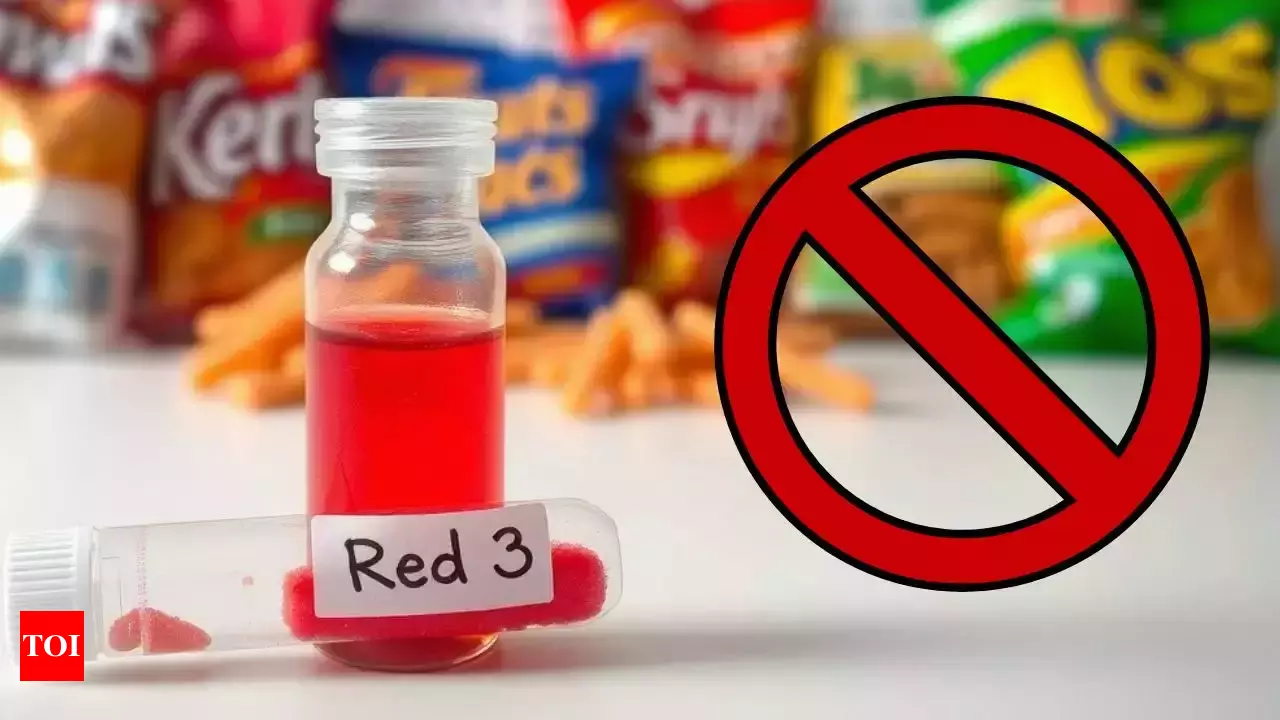
Say goodbye to that vibrant hue! The FDA’s recent ban on Red Food Dye 3 has left many parents scratching their heads, wondering what this means for their kids’ favorite treats and snacks. To help clear the confusion, we’ve gathered insights from experts to shed light on this decision and its implications. Join us as we delve into the world of food additives,unravel the science behind red Food Dye 3,and empower you with the knowledge you need to make informed choices for the little ones in your care.
- The History and controversy Behind Red Dye 3
History and Controversy:
Red Dye 3, also known as erythrosine, has been used as a food coloring since the late 19th century. It is a synthetic dye derived from coal tar and was once used extensively in a wide range of food products, including candy, beverages, and baked goods. However, over the years, concerns arose about its safety, with some studies suggesting a potential link to thyroid tumors in animals. In 1990, the FDA banned the use of Red Dye 3 in food and beverages due to these concerns, although it is still allowed for use in certain medications, cosmetics, and other non-food items. Despite the ban, Red Dye 3 remains a controversial topic, with some researchers questioning the validity of the studies that led to its prohibition.
– Health Risks Associated with Red Dye 3
Potential Health Risks
Even tho the FDA has banned Red Dye 3, limited evidence suggests that certain people may still be at risk for adverse reactions. Some individuals with sulfa allergies may experience sensitivity to the dye, as it contains a sulfonated group similar to sulfa drugs. Additionally, anecdotal reports have linked Red Dye 3 consumption to behavioral problems in children, although further research is needed to establish a causal relationship.
– Alternatives to Red Dye 3: Safe and vibrant Options for Parents
Safe and Vibrant Options for Parents
The FDA has prohibited the use of Red Dye 3 in food products due to potential health risks.Though, there are numerous safe and colorful alternatives that parents can explore:
- Beets: A powerful natural red, beets provide a vibrant hue and are rich in vitamins and minerals.
- Cranberries: These tart berries create a reddish-pink color and are loaded with antioxidants and Vitamin C.
- tomatoes: A versatile red source,tomatoes can be used fresh or as a paste for a bold color that’s also nutritious.
- Red Cabbage: This leafy vegetable yields a deep red-purple shade and contains antioxidants and phytonutrients.
- Anthocyanins: Found in blueberries, blackberries, and purple carrots, anthocyanins provide a range of hues from reddish-purple to deep blue.
- The FDAs Decision: Protecting Childrens Health
Experts’ Advice for Parents on Protecting Childrens Health:
Limit children’s exposure to red food dye 40, which replaces Red Dye 3. It’s linked to hyperactivity, learning difficulties, and inflammation.
Check food labels thoroughly. Look for artificial dyes or other additives that may contribute to health issues.
choose whole, unprocessed foods whenever possible. Fruits, vegetables, and whole grains provide essential nutrients without artificial ingredients.
Encourage children to drink plenty of water. It helps flush out toxins and supports overall health.
* If you notice any behavior changes or developmental concerns in your child, discuss them with a healthcare professional to rule out possible links to food additives.
In Retrospect
In a world where vibrant hues adorn our foods, the absence of Red Food Dye 3 may seem like a culinary void.But as we navigate this transition, let it be a testament to our commitment to the health and well-being of our little ones. May their plates overflow not with artificial colors,but with the kaleidoscopic symphony of nature’s edible treasures.