When a bundle of joy arrives, so too does a symphony of adorable reflexes.From the gentle grasp of your finger to the comical rooting reflex, these automatic behaviors provide engaging insights into the delicate world of newborns. In this article, we’ll delve into the charming realm of rooting and other newborn reflexes, deciphering their hidden meanings and unraveling the beautiful tapestry of a baby’s early life.
Newborn Reflexes: An Essential Guide for Parents
Rooting and Other Newborn Reflexes, Explained
Newborn reflexes are automatic, involuntary movements that help your baby survive and thrive in the early days of life. One of the most well-known reflexes is the rooting reflex, which helps your baby find food.When you stroke your baby’s cheek or mouth, they will turn their head in that direction and open their mouth, ready to suckle. This reflex is present from birth and helps your baby to breastfeed or bottle-feed.
Other newborn reflexes include:
The Moro reflex, also known as the startle reflex, which causes your baby to throw their arms and legs out and cry when they are startled.
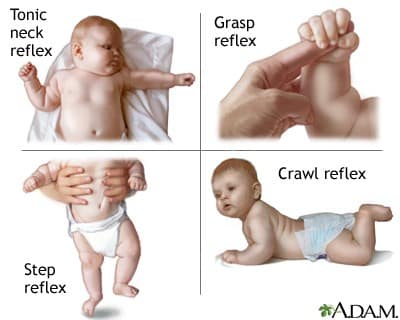
The grasping reflex, which causes your baby to grip tightly onto anything that touches their palms.
* The stepping reflex, which causes your baby to make stepping motions when they are held upright and their feet touch the ground.
These reflexes are all part of your baby’s normal advancement and will gradually disappear over the first few months of life as your baby’s nervous system matures.
The Mysterious World of Rooting: Instinctual Feeding Mechanisms
Instinctual Feeding Mechanisms
Infants are born with a repertoire of primitive reflexes that help them survive and thrive in their new surroundings. One of these reflexes is rooting, which is an automatic response that enables newborns to find food. When a newborn’s cheek is touched or stroked, they will turn their head in the direction of the stimulus and open their mouth in planning for feeding. This reflex helps ensure that the baby can successfully locate and latch onto the breast or bottle, even in the absence of visual cues.
exploring Moro, Grasp, and Startle Reflexes
Moro, Grasp, and Startle Reflexes
These reflexes are triggered by specific stimuli and help protect infants from harm. The Moro reflex occurs when an infant is suddenly startled, causing them to extend their arms and legs outward in a sweeping motion. This reflex disappears by 6 months of age. The grasp reflex is triggered when something touches an infant’s palm, causing them to close their fingers tightly around it. This reflex helps infants hold onto objects and disappears by 3 months of age.The startle reflex is triggered by a loud noise or sudden movement, causing infants to make a jerky motion with their arms and legs. This reflex disappears by 6 months of age.
Taming Infant Reflexes: Understanding and Facilitating Development
Rooting and other newborn reflexes, explained
When an infant is born, their brain is still in the early stages of development. because of this, a newborn baby will be unable to control their movements or actions. However, they’re born with a series of reflexes that act as precursors to future mobility. These are triggered by environmental stimuli and help the baby to find food and keep them safe. Some of the most common newborn reflexes include the sucking reflex, the palmar grasp reflex, and the Moro reflex.
| Name | Trigger | Response |
|—|—|—|
|Rooting | Touching the cheek or corner of the mouth | Infant turns head toward stimulus and roots around for something to suckle on |
|Sucking | Touching something to the lips | Infant applies suction |
|Extrusion | Soft food is pressed against the roof of the mouth | Infant pushes food out with tongue |
|Palmar Grasp | Placing something in the palm | Grips an object |
|Stepping | Placing baby in walking position with soles touching flat surface | Alternating leg movements as if walking |
|Tonic Neck | Holding baby on back, turning head to the side | Body extends and turns in the direction of the turned head |
Final Thoughts
As the newborn’s tiny fingers curl around yours, a symphony of reflexes unfolds, painting a vivid tapestry of their innate abilities. From the grasp that mirrors their future independence to the startle that echoes their vulnerability, these newborn reflexes offer a glimpse into their developmental journey. As we navigate their early days,let us marvel at the intricate workings of these reflexes,honoring the innate wisdom that guides them as they embark upon life’s extraordinary adventure.