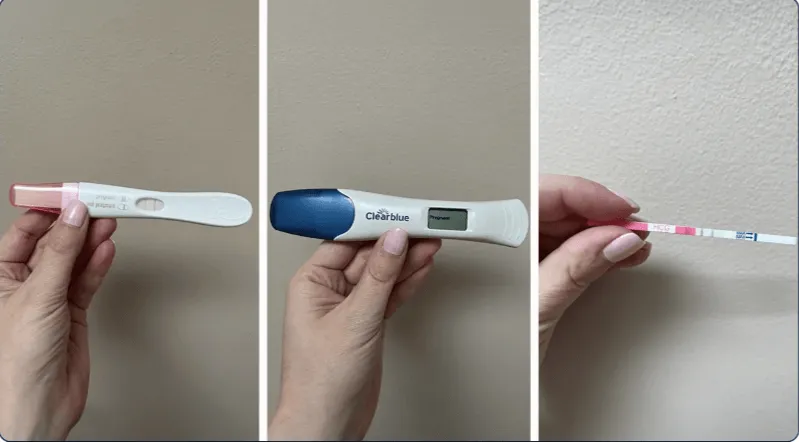
Have you ever found yourself staring at a negative pregnancy test, your heart sinking with disappointment or confusion? While a negative result often signifies the absence of pregnancy, it can also be a harbinger of a false negative, leaving you wondering what the next step should be. Join us as we delve into the complexities of negative pregnancy tests and explore the possibilities of being one of the unfortunate few who receives a false negative result.
Unraveling Negative Pregnancy Tests: Expectations and False negatives
False Negatives – A Tale of Timing and Sensitivity
negative pregnancy tests can be frustrating, especially when you’ve been eagerly awaiting a positive result. But what if that disappointment is a false alarm? False negatives occur when a pregnancy test fails to detect the presence of the pregnancy hormone, human chorionic gonadotropin (hCG). This can happen for various reasons:
- Test Timing: If you test to early before hCG levels rise sufficiently, the test may not be sensitive enough to detect it. Wait at least a week after your missed period for optimal accuracy.
- Test Type: Home pregnancy tests have varying levels of sensitivity,with more sensitive tests being able to detect hCG earlier. Consider using a digital test or visiting a healthcare provider for a blood test for increased sensitivity.
- Method Error: improper test-taking techniques, such as incorrect sample collection or not dipping the test strip far enough, can also lead to false negatives.
- Ectopic Pregnancy: In rare cases, an ectopic pregnancy may occur where the fertilized egg implants outside the uterus, resulting in a false negative due to lower hCG levels.
remember, a negative pregnancy test dose not always mean you are not pregnant. If you suspect a false negative, retest after a few days or consult a healthcare professional for a definitive diagnosis.
Exploring False Negatives: Reasons, Risks, and Solutions
False Negatives: Reasons, Risks, and Solutions
Despite their high accuracy, pregnancy tests can sometimes produce false negatives, leading to missed pregnancies. These false negatives can be caused by:
Early in Pregnancy: Hormone levels may not be high enough to be detected by the test, especially if taken before your missed period.
Recent Miscarriage: After a miscarriage,hormone levels may take time to return to baseline,leading to a false negative.
Medical Conditions: Certain conditions, such as polycystic ovary syndrome (PCOS) or ectopic pregnancy, can interfere with hormone production and result in a false negative.
Medications: Some medications, including anti-inflammatory drugs like ibuprofen, can impact hormone levels and contribute to false negatives.
Test Errors: If the test is taken incorrectly or expired, it may not produce accurate results.
False negatives can have meaningful risks, including:
Delayed Prenatal Care: If a pregnancy is not detected promptly, the expectant mother may miss out on crucial prenatal care and early screenings.
Increased complications: Untreated pregnancies can lead to complications such as preeclampsia or premature birth.
To mitigate the risk of false negatives:
Take the Test Multiple Times: If the initial test is negative but symptoms persist, consider taking another test a few days later. consult a Doctor: If you receive a negative result but suspect you may be pregnant, see a healthcare professional for further evaluation.
Check Expiry dates: Always use tests within their expiry date to ensure accuracy.* Follow Instructions Carefully: Read the test instructions thoroughly and follow them precisely to avoid errors.
When to Question Negative Results: timing and Accuracy Issues
Timing and Accuracy Issues
Timing is crucial when taking a pregnancy test. If you take the test too early, before implantation has occurred, the test may not detect a pregnancy even if you are pregnant. On the other hand, a late-pregnancy test may not be able to detect a very early pregnancy, resulting in a false negative.
Additionally, certain factors, such as taking the test at the wrong time of day or not following the test instructions properly, can also lead to inaccurate results. if you obtain a negative result but still suspect that you might potentially be pregnant,it’s advisable to repeat the test in a few days or see a healthcare professional to confirm.
Making Informed Decisions: Repeating Tests or Consulting Healthcare Professionals
If a pregnancy test is negative, it’s crucial to consider the possibility of a false negative. False negatives can occur for various reasons, including testing too early, using diluted urine, or having certain medical conditions. To confirm a negative result or address any concerns,consider the following options:
Repeat the test: Taking another pregnancy test,especially if it’s a different brand,can increase the likelihood of an accurate result.
Wait a few days and test again: If the initial test was taken too early, waiting a few days may allow for hormone levels to rise and yield a more accurate result.
* Consult a healthcare professional: If you have any doubts about the test result or are experiencing symptoms of pregnancy, seek advice from a doctor or nurse. Thay can perform a more sensitive blood test or provide guidance based on your specific health conditions.
to sum up
As you eagerly navigate this journey towards parenthood, the presence or absence of a little pink line on a pregnancy test can bring a rollercoaster of emotions.Embrace the knowledge gained from understanding the intricacies of negative pregnancy test results and their potential nuances. Trust in the accuracy of the test while also acknowledging the possibility of a false negative. Remember, the pursuit of your dream family may involve a multifaceted pathway filled with moments of uncertainty and triumph. keep your heart open, cherish the journey, and let the future unfold its beautiful tapestry.