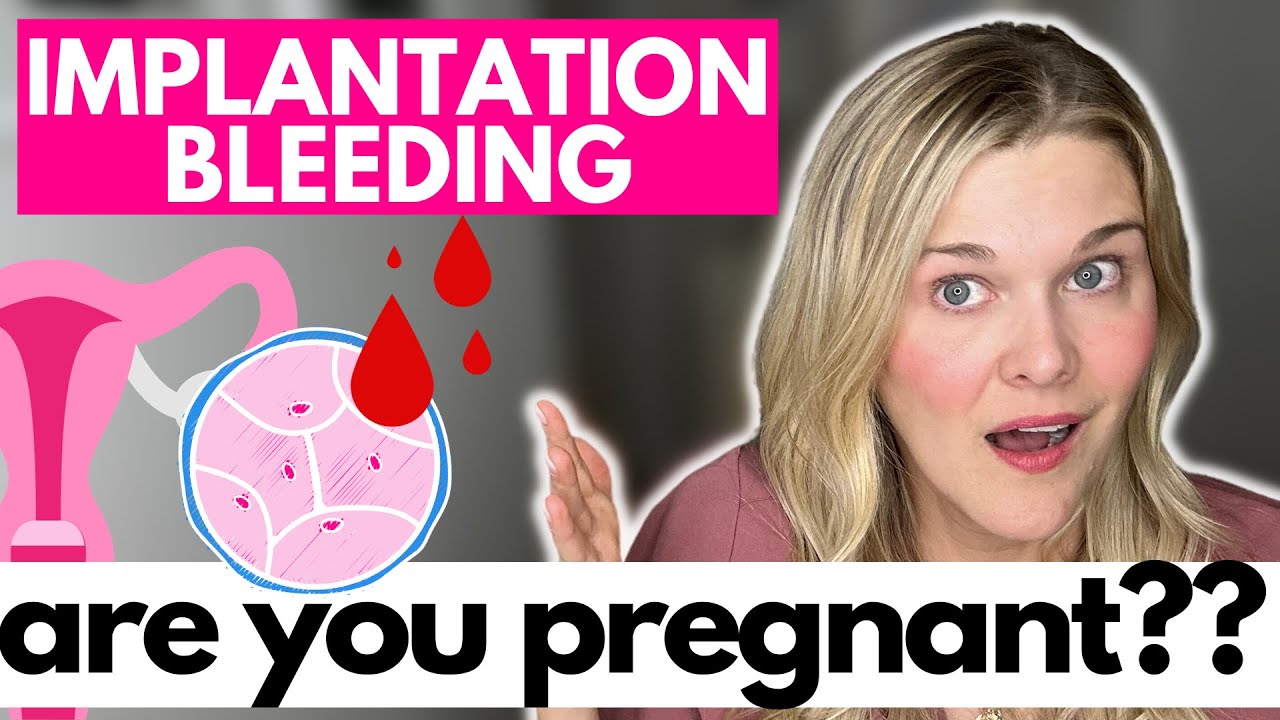
In the ethereal dance of life, the intricate tapestry of human reproduction holds secrets that unravel as we traverse this earthly realm.Among them lies a query that has intrigued countless hearts: Is that subtle whisper of crimson a beacon of impending motherhood? Join us as we embark on an exploration of spotting and its potential meaning in the realm of pregnancy.
Spotting: A Tale of Two Trimesters
A Tale of two Trimesters: Spotting as a Paradox
Spotting, the occasional appearance of light bleeding, can be a perplexing symptom, notably during pregnancy.While it can be a perfectly normal occurrence, it can also indicate underlying issues that require medical attention. HereS a breakdown of spotting in each trimester:
- Frist trimester: Spotting is relatively common in the first trimester, with almost one-quarter of pregnant women experiencing it.Typically caused by implantation bleeding or hormone fluctuations, spotting tends to be light and temporary.
- Second Trimester: Spotting in the second trimester is generally more concerning.It could signal a placental abruption, a serious condition where the placenta separates from the uterine wall, or a cervical polyp, a benign growth on the cervix.
Table 1: Spotting in Pregnancy: A Summary
| Trimester | Possible Causes | Management |
|—|—|—|
| First | Implantation bleeding
Hormonal changes | monitor
Seek medical advice if it’s heavy or lasts more than a few days |
| Second | Placental abruption
Cervical polyp | Seek medical attention immediately |
Unveiling the Mystery of Spotting in Early Pregnancy
Spotting, characterized by light vaginal bleeding, can be a confusing symptom during early pregnancy. It occurs in approximately 20-30% of pregnancies and is often a sign of implantation bleeding. Implantation bleeding occurs when the fertilized egg attaches to the uterine wall, which can trigger light spotting or bleeding. Though,it’s crucial to remember that spotting can also be caused by other factors,such as hormonal changes,cervical irritation,or infection. Therefore, it’s essential to seek medical attention to determine the underlying cause and ensure a healthy pregnancy. Consult your healthcare provider if you experience any vaginal bleeding during pregnancy to rule out any potential complications and receive appropriate medical advice.
spotting in Late Pregnancy: Delving Deeper
Spotting in late pregnancy can be a concerning sign, but it’s important to remember that it doesn’t always indicate a serious problem. Here are some possible causes of spotting in late pregnancy:
- Cervical changes: As the cervix begins to soften and dilate in planning for labor, it may start to bleed slightly. This is usually a normal part of the pregnancy process.
- Placental problems: placental abruption,which is the separation of the placenta from the uterus,can cause spotting or bleeding. this is a serious condition that requires immediate medical attention.
- Premature labor: Spotting or bleeding can sometimes be a sign that labor is starting prematurely. If you’re experiencing other symptoms of labor, such as contractions or back pain, call your doctor right away.
- Other medical conditions: Some medical conditions, such as preeclampsia or bleeding disorders, can also cause spotting in late pregnancy. If you’re concerned about any spotting you’re experiencing, it’s always best to consult with your doctor.
Navigating the Complexities of Pregnancy Spotting
Spotting during pregnancy can be a common occurrence, but it can understandably cause concern. while it can sometimes be a sign of an underlying issue, it’s important to note that it’s more likely to be benign. Our extensive guide will help you navigate the complexities of pregnancy spotting and determine when it’s a cause for concern or a normal occurrence:
Identify the Type of Spotting: Spotting can vary in colour from brown to red or pink. Brown spotting is typically older blood and is less likely to indicate a problem. Bright red spotting, conversely, may indicate an issue and requires prompt medical attention.
Consider the Timing: Spotting in early pregnancy (first trimester) can be associated with implantation or a threatened miscarriage. Spotting during the second or third trimester may indicate placenta previa, a low-lying placenta that can cause bleeding.
Other Symptoms: Associated symptoms such as cramping, pain, or heavy bleeding can indicate a concern. Mild cramping and light spotting is frequently enough harmless, but severe pain or heavy bleeding should be evaluated by a healthcare professional.
when to Seek Medical Attention: If you experience heavy bleeding, severe pain, or spotting accompanied by fever, chills, or vaginal discharge, seek medical attention immediately. Emergency medical care may be necessary to address any underlying complications.
Closing Remarks
In the realm of pregnancy, every clue and nuance can lead to moments of anticipation and wonder.Like the delicate telltale sign of spotting, this article has shed light on the complexities surrounding its connection to pregnancy. While it may not always be a definitive confirmation, it prompts a mindful exploration of personal experiences and the need for further guidance. Embrace this journey of understanding with curiosity and openness; for in the tapestry of reproductive health, every thread holds its own significance, guiding us towards a deeper knowledge of our bodies and the mysteries they hold.